
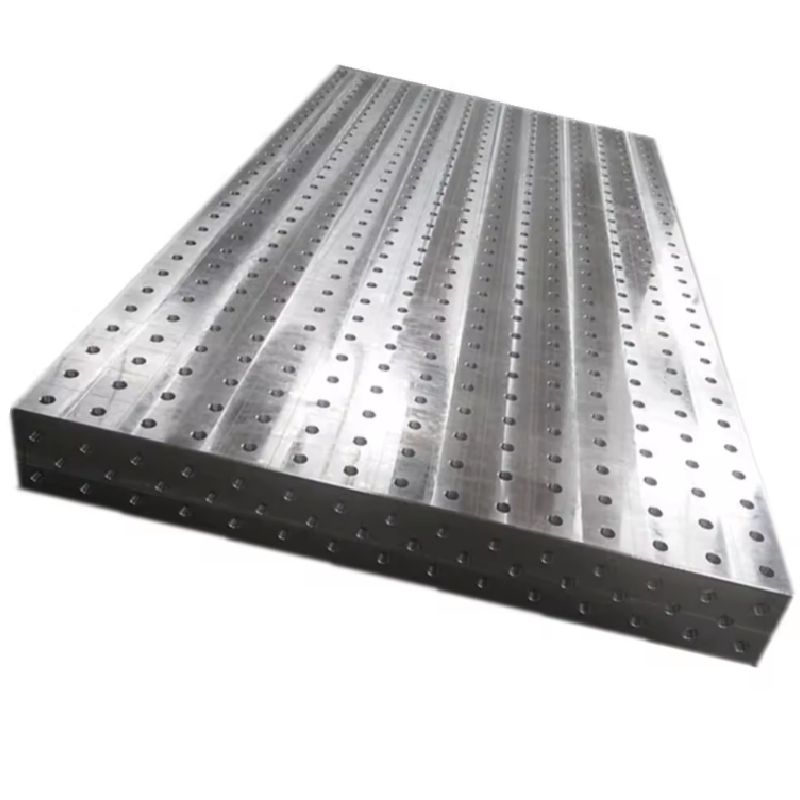
frosted glass panels for doors
Using a Bore Gauge An Essential Tool for Precision Measurement In the world of machining and manufacturing, precision is a key requirement. One of the critical tools that professionals utilize to ensure accuracy in their work is the bore gauge. This instrument plays a vital role in measuring the internal diameters of holes, cylinders, and other round shapes. In this article, we will delve into what a bore gauge is, its types, how to use it effectively, and its advantages in various applications. What is a Bore Gauge? A bore gauge is a precise measuring tool designed specifically for measuring the diameter of bore holes. Bore gauges come in various forms, including dial bore gauges and electronic bore gauges, each suited for different applications. They are typically calibrated in millimeters or inches and can measure with an accuracy of up to a few thousandths of an inch. Types of Bore Gauges 1. Dial Bore Gauge This type features a dial indicator that displays the measurement. It is composed of a measuring head with interchangeable ends that adapt to different bore sizes. The user expands the measuring head inside the bore and reads the measurement directly from the dial. 2. Electronic Bore Gauge This modern version uses an electronic display to show measurements. It is often more convenient, delivering faster results and sometimes even storing multiple measurements for analysis. The electronic gauge usually comes with features like data output capabilities, allowing users to connect to computers for record-keeping. 3. Tapered Bore Gauge Often used for smaller bores, this gauge has a tapered design that enables easy insertion into various bore sizes. It is less common in high-precision environments but still useful for quick checks. How to Use a Bore Gauge Effectively Using a bore gauge requires a systematic approach to ensure accuracy . Here’s a step-by-step guide on how to properly use a dial bore gauge 1. Preparation Before starting, ensure that the bore gauge is clean and calibrated. Check for any wear on the measuring heads or dial and make sure it’s free of debris. 2. Select the Correct Measuring Head Choose the appropriate measuring heads based on the bore diameter you intend to measure. This is crucial for obtaining accurate results. using bore gauge 3. Insert the Gauge Carefully insert the bore gauge into the bore you wish to measure. It is essential to ensure that the gauge is perpendicular to the bore’s surface to avoid skewed results. 4. Expand the Gauge Once inside, expand the gauge until it lightly touches the walls of the bore. Avoid too much pressure, as this can damage both the tool and the workpiece. 5. Take the Measurement Read the measurement from the dial or electronic display. For dial gauges, make sure to check that you are reading from the correct scale. 6. Repeat for Accuracy For enhanced precision, measure at multiple points within the bore, especially if it is long or if you suspect variations in diameter. 7. Record the Results Document your measurements accurately, especially if they will be used for quality control or inspection processes. Advantages of Using a Bore Gauge The bore gauge offers several advantages, making it indispensable in manufacturing and machining - Precision With the ability to measure with high accuracy, bore gauges are essential for quality control in the production of parts where internal diameters must conform to strict specifications. - Versatility Bore gauges can measure a variety of bore sizes, making them suitable for different applications across various industries. - Efficiency Using a bore gauge can significantly speed up the measurement process, enabling quicker decision-making in machining operations. - Reduced Error By utilizing a bore gauge, operators can decrease measurement errors caused by less precise tools, thus enhancing overall product quality. In conclusion, understanding how to use a bore gauge is essential for anyone involved in precision measurement within the manufacturing industry. This tool not only helps ensure that components meet specifications but also contributes to overall operational efficiency. Whether you opt for a dial or electronic version, mastering the use of a bore gauge is a step towards achieving excellence in precision engineering.
about
frosted glass panels for doors
Understanding Pressure Check Valves Functionality and Importance In various industrial applications and systems, the management of pressure is critical to ensuring safety, efficiency, and reliability. One of the essential components in pressure management is the pressure check valve. These valves play a vital role in maintaining the integrity of systems by preventing backflow and ensuring that fluid or gas flows in the intended direction. What is a Pressure Check Valve? A pressure check valve is a specialized valve designed to allow fluid flow in one direction while preventing it from flowing backward. This unidirectional flow is crucial in numerous applications, including water treatment plants, manufacturing processes, and HVAC systems, where maintaining pressure balance is essential for optimal operation. The operation of a pressure check valve is quite straightforward it consists of a valve body, a seat, and a mechanism (typically a spring-loaded disc or ball) that seals the valve when reverse flow attempts to occur. When the pressure of the incoming fluid reaches a certain threshold, it lifts the disc or ball away from the seat, allowing fluid to pass through. If the pressure decreases or reverses, the mechanism returns to its seated position, thereby preventing backflow. Types of Pressure Check Valves There are several types of pressure check valves, each designed for specific applications and conditions 1. Swing Check Valve This type features a hinged disc that swings open to allow flow and closes when flow stops or reverses. It is commonly used in applications with higher flow rates. 2. Lift Check Valve This valve uses a vertical movement of the disc to open and close. It is more suitable for applications with low-pressure drops and is often used in water supply systems. 3. Ball Check Valve This valve utilizes a ball that sits in a seat. As pressure increases, the ball is pushed off the seat, allowing flow. When the pressure drops, the ball falls back into the seat, preventing backflow. 4. Tilting Disc Check Valve This type features a disc that tilts on a pivot, allowing for smoother and quieter operation. It is often employed in applications where noise reduction and pressure stability are critical. Key Features and Benefits The functionality of pressure check valves offers numerous benefits to industrial systems pressure check valve - Prevention of Backflow One of the primary functions of a pressure check valve is to prevent backflow, which can lead to contamination, equipment damage, or system failures. - Pressure Regulation By ensuring that fluids do not flow backward, these valves contribute to maintaining the necessary pressure levels within the system, which is crucial for operational efficiency. - Increased Safety In systems handling hazardous materials, the risk of reverse flow can pose significant safety risks. Pressure check valves mitigate these risks, enhancing overall system safety. - Reduced Maintenance Costs By preventing issues caused by backflow, pressure check valves can effectively reduce wear and tear on pumps and other components, resulting in lower maintenance costs over time. Considerations for Selection When selecting a pressure check valve for a specific application, several factors must be considered - Pressure Rating Ensure that the valve can handle the maximum pressures expected in the system. - Flow Characteristics The valve should be compatible with the flow rates and type of fluid being managed (liquid or gas). - Material Compatibility Depending on the fluid being handled, the valve material should be resistant to corrosion, erosion, or other forms of degradation. - Installation Orientation Some check valves are designed to function in specific orientations; therefore, compatibility with the intended installation setup is crucial. Conclusion Pressure check valves are indispensable components in a wide range of industrial applications. By ensuring unidirectional flow and preventing backflow, these valves help maintain system pressure, enhance safety, and reduce maintenance costs. Selecting the appropriate type of pressure check valve based on the specific requirements of an application is vital to maximizing its effectiveness. Understanding their role and functionality is essential for engineers, technicians, and anyone involved in system design or maintenance, ensuring that the systems operate safely and efficiently. As industries continue to evolve, the importance of reliable pressure management solutions, including pressure check valves, will only continue to grow.
-

High quality industrial productsagement

High quality industrial products
View Details -

Meet the diverse needs of customers

Meet the diverse needs of customers
View Details -

Strict quality control

Strict quality control
View Details -

Top raw materials

Top raw materials
View Details -

Trusted supplier

Trusted supplier
View Details
Our application


news and information
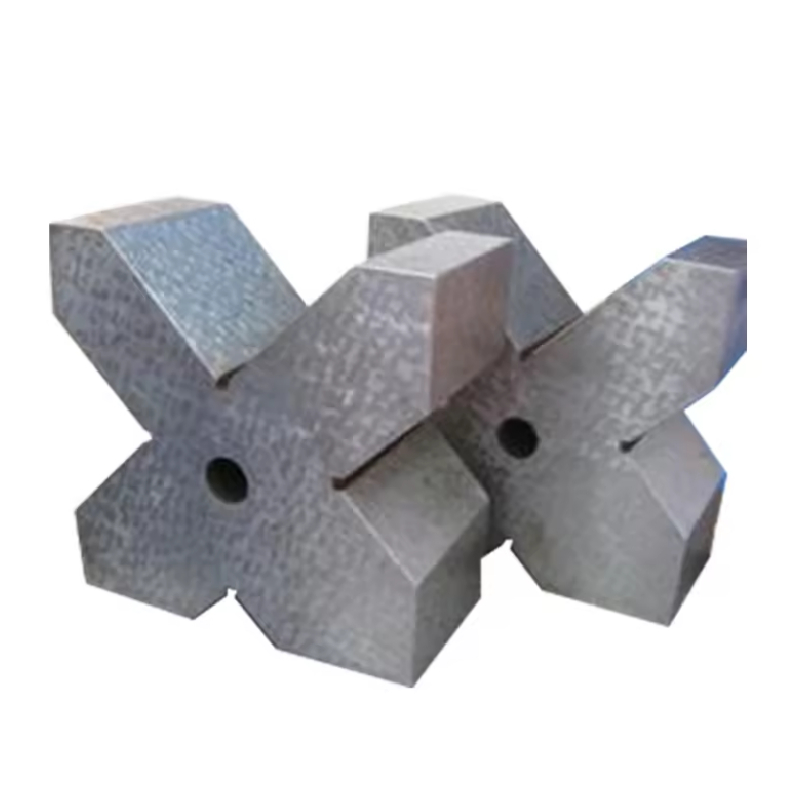
Versatile Stainless Steel Angle Ruler for Precision Measuring and Drafting Tasks
The Versatility of the Metal Angle Ruler When it comes to precision tools in the fields of engineeri
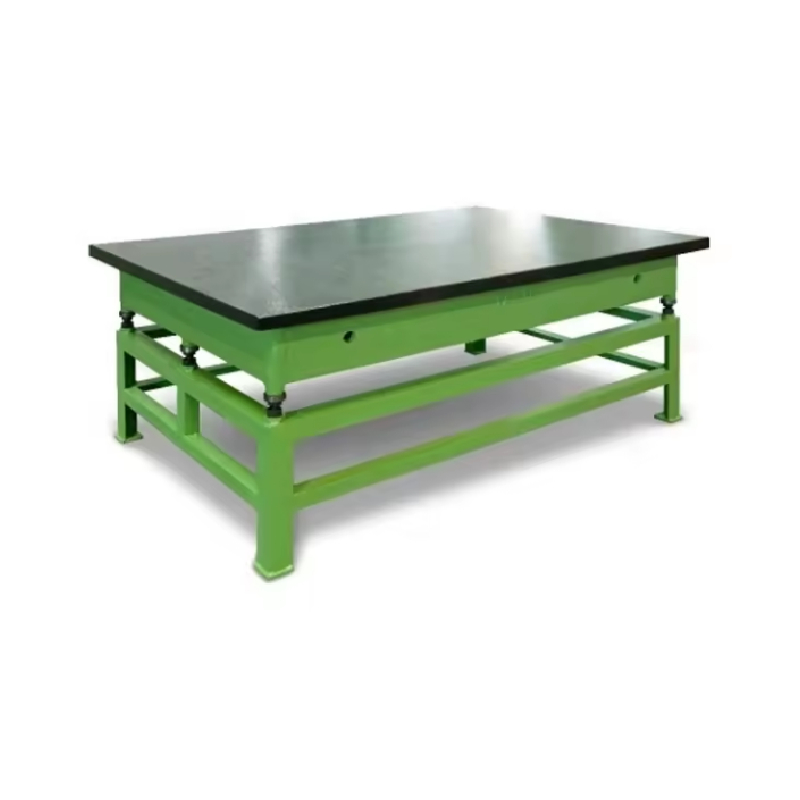
vibration pad price
Understanding Vibration Pad Prices A Comprehensive Guide Vibration pads, also known as anti-vibratio

Versatile Welding Table for Efficient Workbench Solutions
The Importance of Welding Tables in Workshop Design Welding is an essential skill in various industr
 English